Whether it’s routine blood work or advanced diagnostic panels, veterinary labs deliver the data veterinarians need to make informed decisions.
By the end, you’ll understand how veterinary diagnostics support better outcomes for pets and peace of mind for owners.
Whether you’re a pet parent searching for a “veterinary lab near me” or a veterinary professional looking for top-tier lab partners, this guide will provide expert insights and practical tips.
How Veterinary Diagnostic Labs Work
A veterinary laboratory is a specialized facility where biological samples from animals—such as blood, urine, feces, or tissue—are analyzed to detect diseases, monitor health, and guide treatment plans.
Veterinary labs vary in size and specialization.
In the US, veterinary laboratories can operate as standalone diagnostic centers, be integrated into veterinary hospitals, or work as part of nationwide networks.
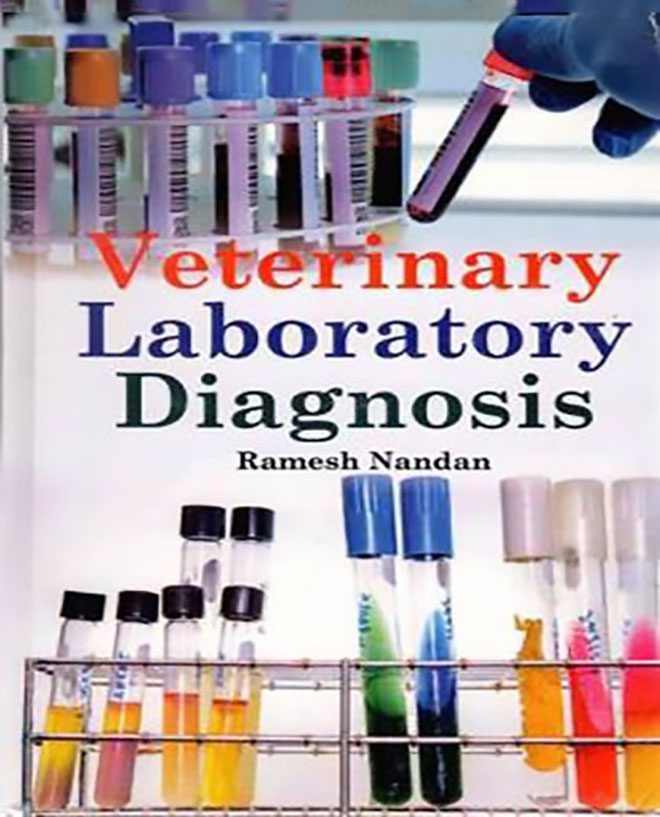
What Tests Do Veterinary Labs Offer?
Veterinary laboratories perform a wide range of tests that help veterinarians evaluate an animal’s health.
Advanced labs may also provide molecular diagnostics, including PCR testing for specific pathogens or genetic screenings for hereditary conditions.
These tests are essential for early disease detection, accurate diagnosis, and treatment planning.
Finding the Best Local Veterinary Diagnostic Lab
Start by asking your veterinarian—they often have trusted partnerships with local or national labs and can guide you to the right provider.
Reading reviews and checking for specific services (like 24-hour diagnostics or exotic animal testing) can also help narrow your search.
If you’re a pet owner seeking direct access to a lab for second opinions or advanced testing, contact the lab to understand their intake process—some require referrals, while others accept samples directly.
Standard vs. Emergency Veterinary Laboratories
Knowing when to use each type can make a significant difference in urgent cases.
These labs are often linked to emergency veterinary hospitals and specialize in handling critical cases at any time of day or night.
Discuss with your veterinarian which lab setup best suits your pet’s needs.
Why Veterinary Diagnostics Matter for Your Pet’s Health
Veterinary diagnostics are the backbone of modern animal healthcare.
In chronic cases, regular lab monitoring ensures medications remain effective and side effects are minimized.
With the support of a trusted veterinary laboratory, you and your veterinarian can work together to make informed, timely, and effective healthcare decisions.
Final Thoughts on Veterinary Diagnostics
In today’s world, ensuring your pet receives top-quality laboratorio de analises clinicas veterinarias care means laboratório veterinário popularver detalhes partnering with the right veterinary laboratory.
By understanding the range of services veterinary labs offer, knowing when to seek 24-hour support, and learning how to find reputable labs near you, you empower yourself to make the best choices for your animal companion.
As veterinary medicine continues to evolve, so do the diagnostic tools available to monitor and protect your pet’s health.
Your Veterinary Lab Questions Answered
What does a veterinary lab do?
A veterinary diagnostic lab analyzes samples from animals (like blood, urine, or tissue) to detect diseases, monitor health, and guide treatment plans.
Are there local veterinary labs for pet testing?
Ask your veterinarian for recommendations—they often work with trusted local labs or national diagnostic networks.
What emergencies require urgent lab testing?
Always consult your emergency vet to determine the best course of action.
What types of tests are done in veterinary labs?
These tests help detect infections, organ issues, cancers, and metabolic diseases.
Are veterinary diagnostics expensive?
Your veterinarian can provide estimates and help prioritize necessary diagnostics.